Tracing Adaptations in Slot Mechanics Through Cross-Regional Payment Integrations for Mobile Users in US and Nordic Markets
Parker Bennett · Oct 1, 2026
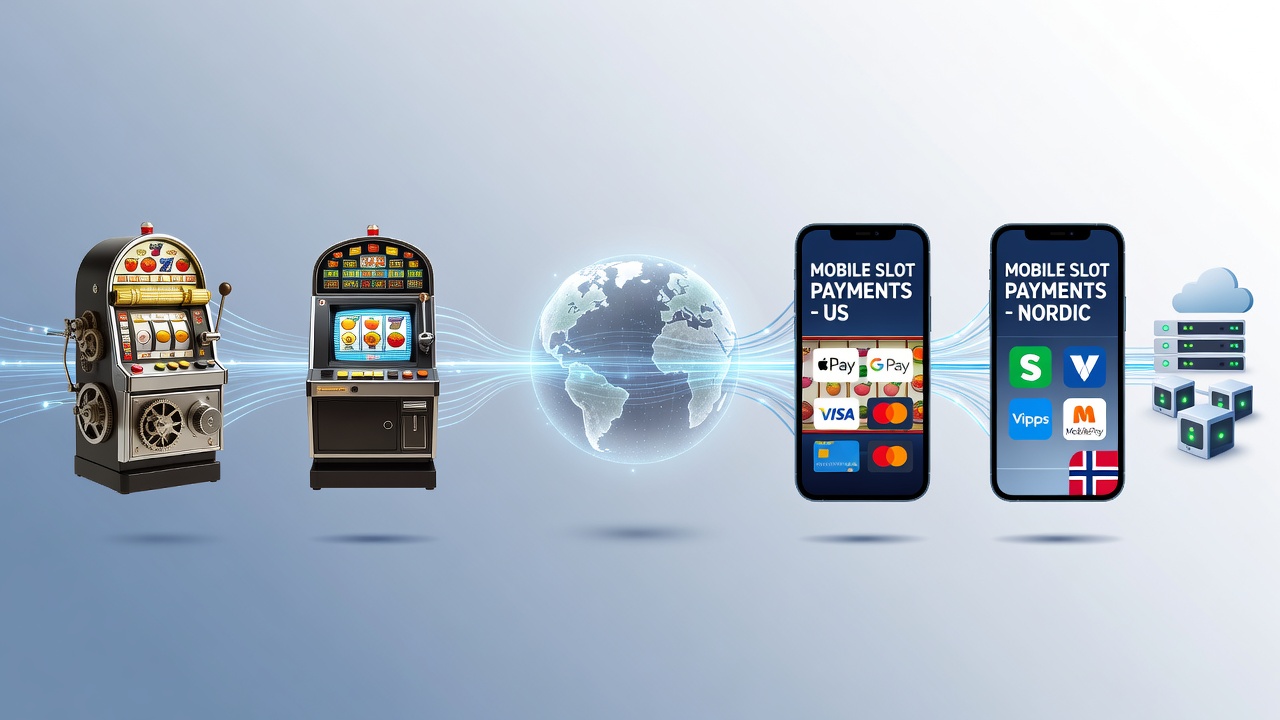
Tracing Adaptations in Slot Mechanics Through Cross-Regional Payment Integrations for Mobile Users in US and Nordic Markets
Slot mechanics have evolved alongside payment systems that connect US and Nordic markets for mobile users, and data from industry reports shows these integrations shape how reels spin, bonuses trigger, and payouts process in real time. Observers note that developers adjust volatility settings and feature triggers when payment rails support instant deposits and withdrawals, because such changes allow sessions to flow without interruption across different regulatory environments.
Regional Payment Systems and Their Reach
US mobile users often rely on Apple Pay, Google Pay, and state-approved banking options while Nordic players access MobilePay, Trustly, and local bank transfers that emphasize speed and verification. These systems feed directly into slot platforms, and researchers have documented cases where mechanics incorporate real-time balance updates that sync with each transaction. In October 2026, several platforms plan further API expansions that will link additional Nordic banking partners to US-facing apps, which could standardize how free spin rounds activate after a deposit clears.
Experts tracking these trends point out that payment speed influences reel speed and animation timing, since shorter transaction windows let games maintain momentum. Data from the American Gaming Association indicates mobile slot engagement rises when deposits complete in under ten seconds, and similar patterns appear in Nordic reports that measure session length against withdrawal processing times.
Mechanics Adjustments Driven by Integration
Developers modify slot structures to accommodate the verification steps required by each region’s payment rules. US platforms sometimes embed additional authentication layers that pause play briefly, whereas Nordic systems often allow seamless continuation because of pre-verified bank connections. Slot studios respond by creating hybrid features, such as bonus meters that accumulate across interrupted sessions or progressive elements that pause and resume without losing progress.
Those who analyze game logs find that cross-border titles introduce variable RTP adjustments tied to payment method, and this occurs because certain processors charge fees that operators offset through slight mechanic tweaks. Mobile users see these changes as altered win frequencies or modified multiplier caps, yet the underlying code remains compliant with both US state gaming boards and Nordic licensing bodies.
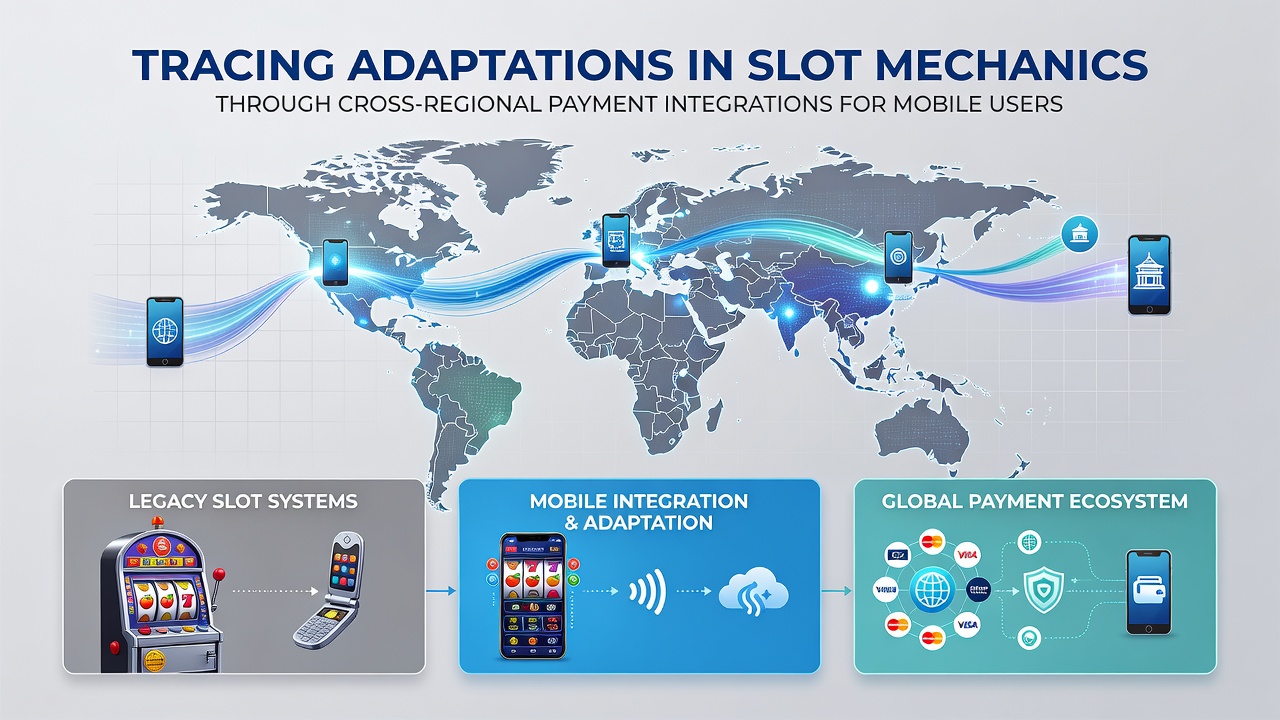
Case Examples of Cross-Regional Adaptation
One documented example involves a major slot title that introduced a “fast-track” bonus round available only after an instant deposit via Nordic bank apps, and the same title later added a parallel US version that uses Apple Pay to unlock comparable features. Researchers from the European Gaming and Betting Association have examined these parallel releases and found that reel layouts stay consistent while bonus triggers shift to match regional payment confirmation times.
Another pattern emerges when games incorporate location-based payment detection, so a user traveling between markets experiences adjusted mechanics that align with local processors. This approach keeps the core math model intact while swapping out visual cues and trigger thresholds, and industry observers report that such flexibility reduces development costs for studios serving both regions.
Technical and Regulatory Considerations
Payment gateways must meet technical standards set by US state regulators and Nordic authorities, which means slot engines incorporate modular code that swaps payment modules without altering core RNG functions. Mobile apps therefore handle multiple API endpoints, and this architecture lets studios test mechanic variations quickly when new payment partners join the network.
Figures from regulatory filings reveal that titles updated in 2025 and 2026 show higher integration of near-field communication payments, and these updates coincide with changes to how scatter symbols land during high-volume transaction periods. Developers maintain separate configuration files for each market so that one code base serves both US and Nordic audiences while respecting distinct verification rules.
Conclusion
Cross-regional payment integrations continue to drive measurable changes in slot mechanics for mobile users across US and Nordic markets, and these adaptations appear in bonus structures, reel behaviors, and session continuity features. Data shows that operators and developers respond to transaction speed and verification requirements by refining how games calculate and display outcomes, which keeps the experience consistent yet locally compliant. As new connections form in October 2026 and beyond, further mechanic adjustments will likely follow the same pattern of regional customization within a shared technical framework.